White Fang - Jack London
White Fang (1906) was written as a companion to Jack London's successful Call of the Wild (1903). It is the tale of a wild dog born in the wild and eventually brought to civilization.
Search by title in the header, or browse categories to find something that fits your mood.

The Emerald City of Oz (1910) was the sixth Oz book written by L. Frank Baum, In this book, Dorothy and her impoverished Uncle Henry and Aunt Em are on the brink of losing their Kansas farm. Consequently, Ozma invites them all to live in the Emerald City. They then explore the countryside, visiting a series of strange beings including the Cuttenclips, the Fuddles, the Rigmaroles, the Flutterbudgets, and the residents of Utensia, Bunbury …
Picks from the same categories when we have them; others fill in from the catalog. Refreshes daily.
White Fang (1906) was written as a companion to Jack London's successful Call of the Wild (1903). It is the tale of a wild dog born in the wild and eventually brought to civilization.
Dive into this captivating book by renowned British military historian, Charles Oman. Starting with the rise of the warrior king, Edward III, in 1327 and concluding with Richard IIIs fall at Bosworth Field in 1485, Oman masterfully paints a vivid...
Enjoy the witty and satirical play "Arms and The Man" by George Bernard Shaw. This podcast brings to life a humorous and thought-provoking story that critiques romanticized views of war and heroism. Ideal for fans of classic theater and social commentary.
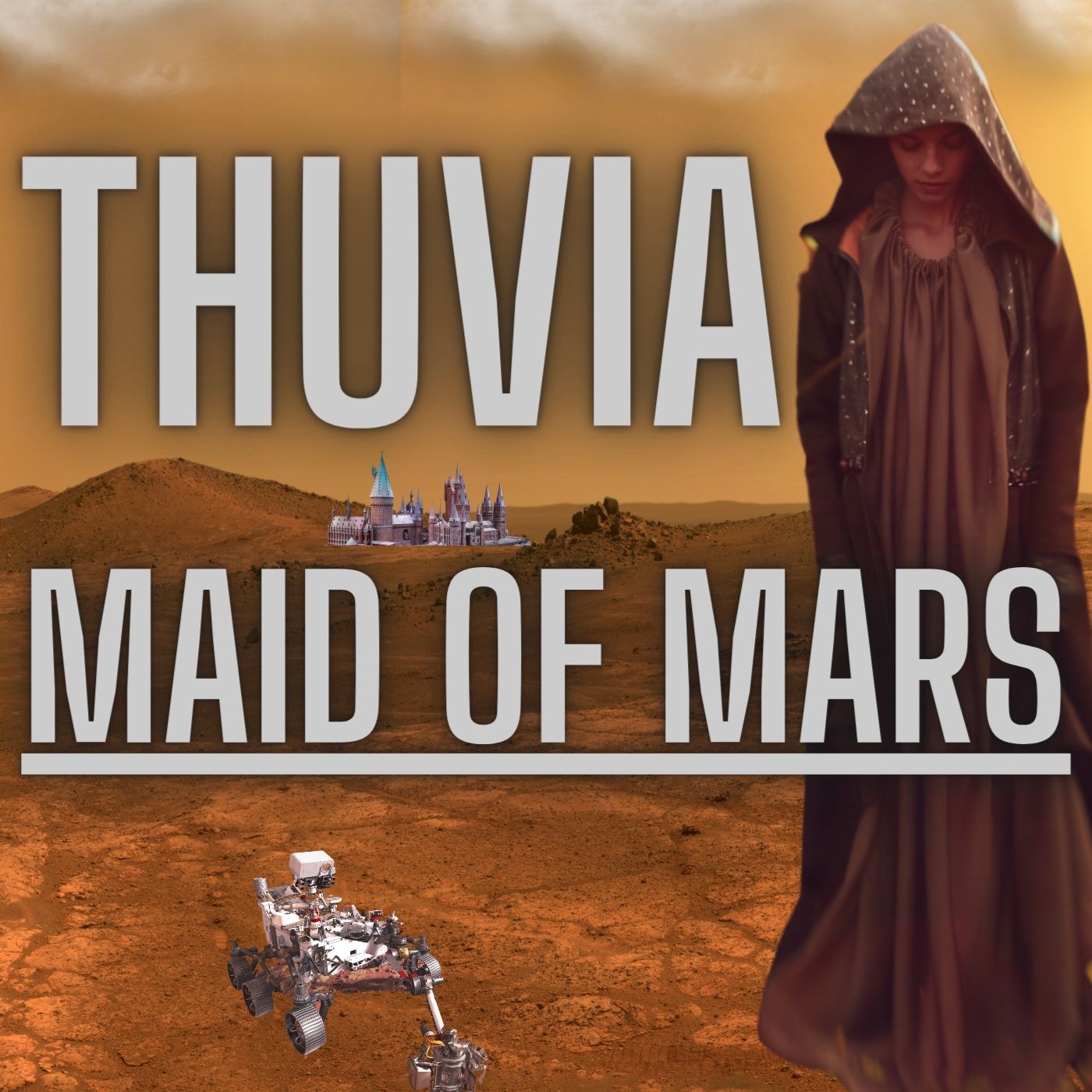
In this novel the focus shifts from John Carter, Warlord of Mars, and Dejah Thoris of Helium, protagonists of the first three books in the series, to their son, Carthoris, prince of Helium, and Thuvia, princess of Ptarth.
Dive into the riveting life of John Quincy Adams in this comprehensive biography. Journey through his formative years and diplomatic endeavors, both domestically and internationally. Then, explore his influential roles as Secretary of State and...
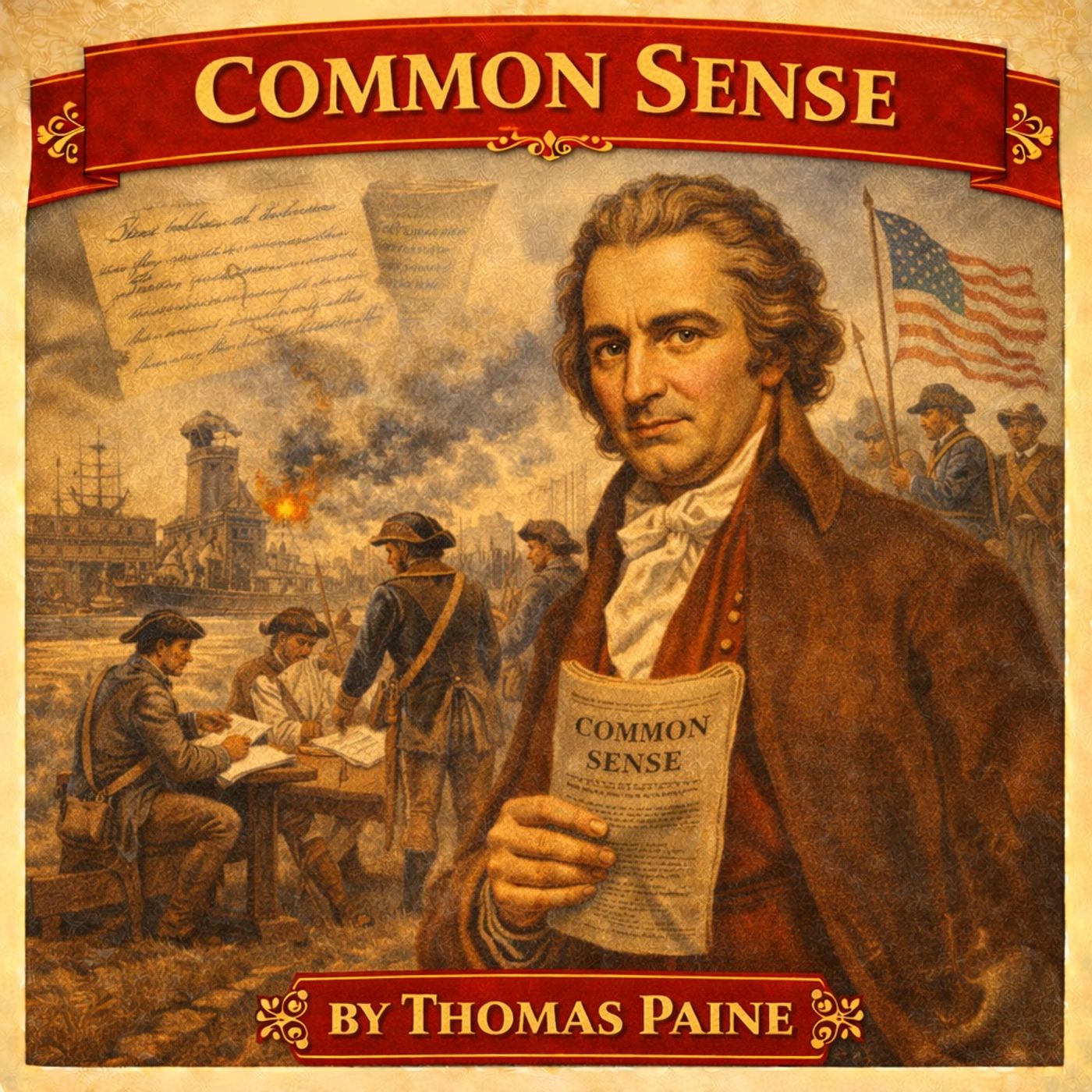
Common Sense, Paine's pro-independence work published anonymously on 10 January 1776, spread quickly among the colonists. Within 3 months, 120,000 copies are distributed throughout the colonies making Common Sense the best-selling work of that time.